
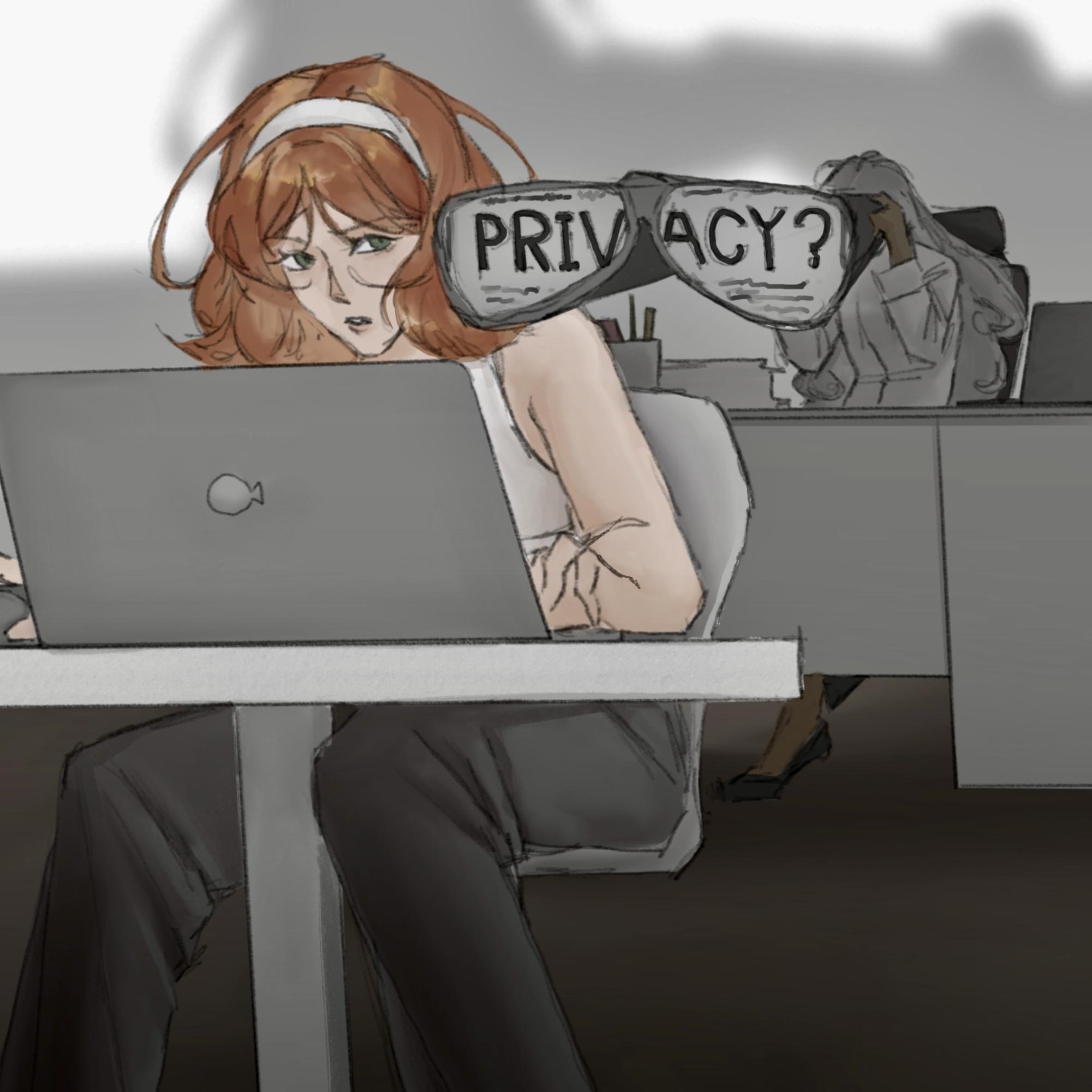
PAUSD administration implemented a new student device-monitoring software at Paly and Henry M. Gunn High School this year called Classwize, distributed by the company Linewize, which allows teachers to monitor students’ screens in real time and control their devices. The Campanile thinks Classwize will be ineffective in minimizing student distraction in class and is an unethical breach of student privacy. Additionally, the decision to use the software was not communicated to students or teachers for adequate input or notification beforehand.
The software comes with a wide array of features, including the ability for teachers to close or open student browser tabs remotely, even if the tab is not currently being viewed by the student. Teachers can also use the system to block websites, directly message students and pause students’ Wi-Fi. On school-issued Chromebooks, Classwize has a high degree of control, but on personal computers, teachers only have access to devices connected to PAUSD or guest Wi-Fi and can only monitor browser windows where students are logged into their school Google Chrome profile.
While we understand the motive behind the decision — to facilitate safe internet use, keep students on task and promote learning and engagement during class time — we do not think monitoring student devices to such a high degree is an effective way to achieve this.
The Campanile does acknowledge under federal law, specifically the Children’s Internet Protection Act, PAUSD is required to monitor student online activity on district internet. Paly’s previous internet safety policy complied with the law, prohibiting access to material considered harmful to minors. Given this, we support promoting digital literacy and ensuring safe internet and social media activity rather than heavy-handed surveillance.
The additional powers enabled by Classwize, though, will not achieve the potential benefit of reducing student distraction in class. Yes, preventing students from playing games and doing work irrelevant to class could keep them engaged and on task, but ultimately, students who want to be distracted will find a way to be distracted, whether on their devices or not.
The Campanile thinks high school students should be responsible for their own learning — attentiveness in class cannot be dictated by restricting digital privileges.
Classwize also does not address the root problem that plagues education systems across the nation: schools have failed to adapt to a world that increasingly revolves around digital technology and AI. Instead of fighting against technology, we must reconsider what a high school education means and what it should look like. Students should leave high school knowing how to live in a world filled with distractions.
Another theoretical benefit of Classwize is to ensure academic honesty in light of advancing AI tools like ChatGPT. However, there are existing, less invasive tools to combat this, such as requiring students to use secure testing browsers. These tools already perform the functions of Classwize in preventing students from accessing other applications while test-taking.
Additionally, The Campanile thinks the extent to which student devices can be monitored and controlled with Classwize is a breach of privacy. While Classwize is legally permissible because students have fewer privacy rights when in school, we disapprove of the ability of the software to give teachers access to personal and confidential student information. The weight of being constantly monitored while working is akin to having a proctor stare over one’s shoulder while taking a test.
And digital oversight that feels intrusive may well restrict students’ abilities to seek online support when in sensitive situations — including those seeking mental health resources.
This oversight disproportionately affects students who have limited access to technology and use only their school-issued Chromebooks, which have greater restrictions.
While teachers are unlikely to be constantly watching students’ screens in actuality, which gives students some degree of freedom, this is a major reason that Classwize may not be as effective as advertised.
The decision to implement Classwize across PAUSD high schools was also not communicated directly to students or teachers. Many teachers say they learned about the software through word of mouth, and students uncovered Classwize’s capabilities through experimentation. This lack of transparency furthers distrust between students, teachers and administrators and does not equip teachers with the right tools or knowledge to use the software effectively.
While certainly well-intended, the decision comes without explanation, and we call on school officials to communicate openly with students and staff about the capabilities of Classwize, the reasoning behind the decision to implement and how much it costs.
The Campanile recognizes the need to reform classroom management, especially with the constant presence of AI and other digital technology in students’ lives. However, we reject the premise that monitoring and controlling student computers with a system such as Classwise will have the intended effect. We also think Classwize is a breach of student privacy and an exemplification of the district’s lack of transparency when making wide-reaching decisions.
Regardless of the program’s effectiveness, The Campanile thinks the manner of implementation was unethical, and administrators should immediately provide more information on the decision to implement Classwize or remove it from a teacher’s tool kit entirely.
Corgi • May 22, 2026 at 1:13 pm
Throughout my senior year, Linewize was making research harder for me. It would blur science diagrams and block resources.