
When junior Laila Joshi stepped onto a varsity field for the first time, the difference was immediate: the pace was quicker, the competition sharper, and the margin for error smaller than ever before.
“Everybody was kind of, like I said, more, just passionate about it,” Joshi said “There’s a lot of people who are looking to commit to college because of their sport or go D1.”
Moving from junior varsity to varsity can represent a significant change for high school athletes as the expectations, intensity and flow change. For many players, like Joshi, the transition requires adjustments in training, mindset and team roles.
“When I moved from JV to varsity, I noticed the intensity of the game kind of increased,” Joshi said. “People’s passion for the game definitely increased as well. People were a lot more intense and more competitive about it on the varsity team.”
Joshi also said with this increased competitiveness, expectations for players were higher on varsity.
“On varsity, they looked more all around at you as a player,” she said. “You really needed the skills to be able to keep up with the team.”
However, decisions about which athletes move up to varsity are made by coaches and are based on more than solely game performance. Brandon Byer, the head JV basketball coach, said coaches often focus on how players handle challenges.
“I think what you look for is maturity in terms of how they handle adversity,” Byer said.
In addition to those intangibles, Byer said coaches evaluate specific skills.
“Can they handle the ball? Can they shoot the ball at a certain proficiency level? Do they defend at a certain level?” Byer said.
Even with these evaluations, Joshi said the JV environment is often more welcoming and development focused.
“Everybody who comes in is usually new to it, so everybody was kind of just having fun,” Joshi said. “Everybody just knew each other was not necessarily going to be super good at it yet, so we kind of all were learning together at the same time.”
Yet even with the difference in skill levels, Byer said a JV program is designed to act like a varsity team to prepare athletes for varsity expectations.
“I really coach our JV team like I would coach a varsity team,” Byer said “I demand all the same things that our varsity staff does.”
According to Byer, using similar concepts and schemes helps make the transition smoother when players move up.
“Communication between JV and varsity coaches is frequent,” Byer said. “If not on a daily basis, we’re at least talking weekly,”
Byer said this communication between varsity and junior varsity coaches often has to do with player development and readiness.
According to Joshi, varsity field hockey had additional commitments.
“Varsity had more morning practices, and we also had to do a weight room in the morning,” Joshi said. “Junior varsity players didn’t really have those requirements.”
Byer said commitment is a key factor in coaches’ decisions when moving players up to the varsity level.
“You have to be fully committed to making a 100% investment in the process,” Byer said. “If you’re lukewarm or not totally sure, you’re not setting yourself up for success, and the program is not as successful as it could be.”
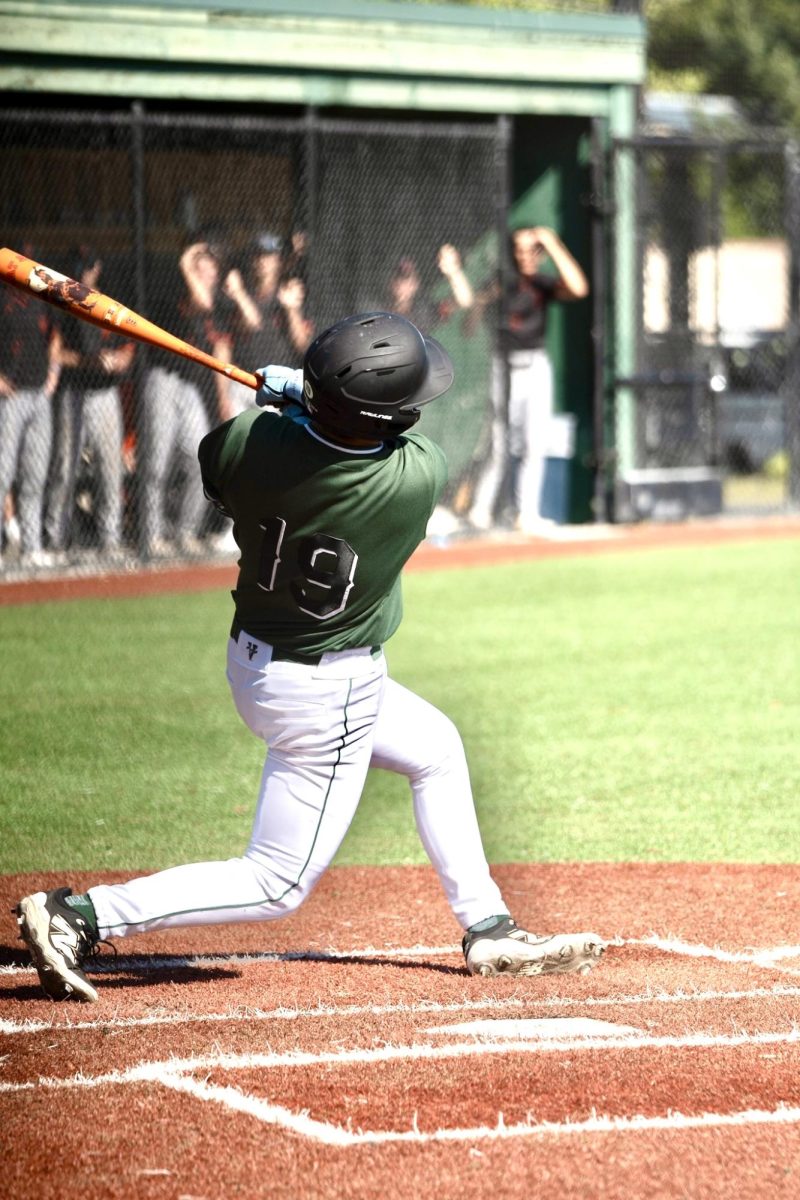
While many athletes progress from JV to varsity over time, some underclassmen are placed on varsity earlier. Sophomore Michael Wu, who played varsity baseball during his freshman year, said the transition mainly involved a higher level of competition.
“I started on JV, and one of our games got canceled, so we played a scrimmage against varsity,” Wu said. “I was able to perform, and the coaches decided it was a good idea to pull me up … the competition was better, and the standards at practice were higher.”
Despite the increase in expectations, Wu said the transition was manageable.
“The jump wasn’t too bad for me, personally,” Wu said. “Most of the adjustments were mental.”
However, Wu said he found challenges in navigating expectations early on, because he was younger than many of his teammates.
“At first there was some pressure because I didn’t want to get sent back down,” Wu said.
“Our team was like a family, so everybody was welcomed.”
Ultimately, both Joshi and Wu said the transition to varsity requires athletes to adapt to higher standards and expectations. In this process, Joshi said she was grateful for the effort put in to transition up to varsity.
“It’s important to just kind of keep working hard,” Joshi said.
In the end building connections with teammates helped her adjust to playing at a new level.
Joshi said, “You want to foster the same community that you have on JV and bring it to varsity.”
