Many Bay Area high schoolers traditionally go to the San Francisco Ballet’s “Nutcracker” at least once in their lives while celebrating the holidays in the city with their families. But that is only one window into the world of dance.
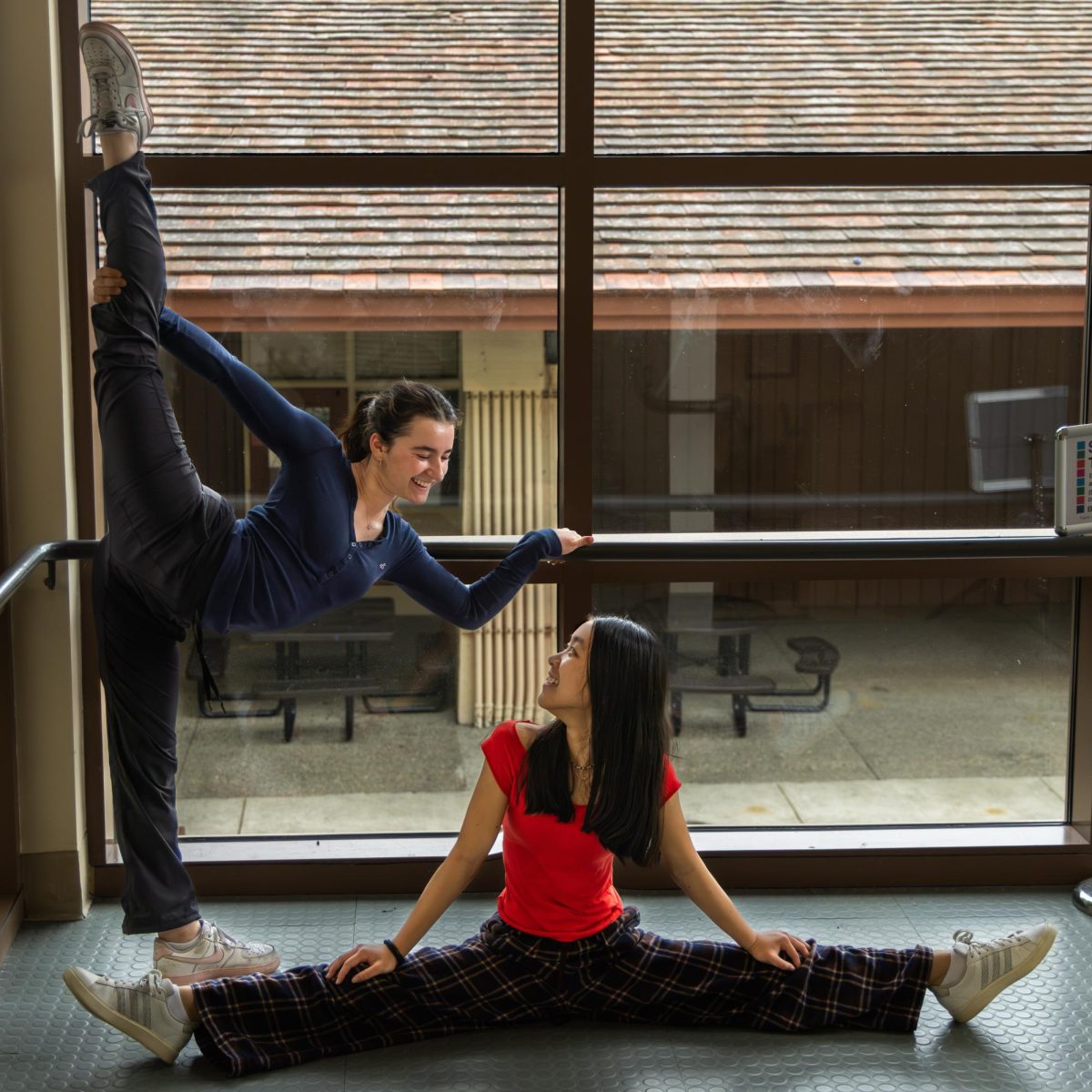
Both of us have danced for a large part of our lives, learning and developing many skills along the way. Dance is one of the only things we’ve ever done that allows us to be two things at the same time: an athlete and an artist.
Through dance we’re able to balance the act of building strength, stamina and balance, while expressing emotion and immersing the audience in visual storytelling. Sometimes we can even tap into the emotions the choreographer is trying to convey through channeling experiences we’ve had, helping us engage both the technical and creative sides of the brain.
For us, dance is an escape from the world. We can put schoolwork and the various tasks we have to complete on hold, and dancing allows us to let go of our stress and immerse ourselves in a different world. Specifically, being able to focus on advancing our dance technique and express ourselves through dance engages us enough for it to become a fully immersive experience.
We spend hours in front of the mirror working to improve our technique and build muscle memory: turning out, maintaining our posture, pointing our feet, keeping a tight core. But once choreography enters the picture, we have to add on the interpretation of the music and decide how we want to move through a space to tell a story.
And because dance comes in so many styles — ballet, jazz, hip-hop, contemporary, tap, ballroom, just to name a few — there’s something for everyone. If you like fluidity and graceful movement, ballet or contemporary is a good fit. If you prefer a style that’s more grounded and bold, look towards hip-hop. A good in-between is jazz, and tap is something unique. You don’t need many pieces of expensive equipment, or a field, or a team; All you need is music.
Many parents put their kids into dance classes (and often join classes themselves) early for the physical benefits that dancing provides. The many styles of dance offer a variety of forms of exercise and train a wide range of muscles.
In addition, dance can be personalized — whether it is children dancing for fun in classes, adults dancing professionally on stage or seniors dancing in chair-dance classes. This versatility leaves an open door for all people and provides flexibility for long-term commitment, making it easier to become a dancer later in life when it may seem intimidating.
Dance also teaches discipline. Ballet, specifically, comes with strict rules, and every dancer is always searching for that perfect, ideal body and technique. Every dancer understands what someone means when they say they grew up with a Vaganova ballet teacher — a traditionally strict teacher of the Russian style of ballet — who is stereotypically known to raise their voice impatiently during class and push students to strive for perfection.
Our experiences with more American-style ballet teachers still maintained that expectation of strong personal motivation and constant pursuit for ideal technique — and this discipline has transferred to many other subjects, from engaging in school classes to being well behaved in public settings.
Despite this strictness, dance allows for a balance of technique with creativity, specifically in choreography. Many dancers also understand that once technique is mastered, choreography becomes the time to think outside of the box, to try something new or untraditional. In addition, the perseverance and grit we gain from dance transfers to other things we do in our lives.
Even if you don’t intend to go pro like the dancers at the San Francisco Ballet, dance gives you a place to let your feelings out; a place that carries you to somewhere else for hours each week.
And overall, having the opportunity to perform for others in an expressive and creative manner is a unique aspect of dance. The bright lights shining in your eyes, the blacked-out audience cheering; dance provides an outlet for us to express, find self-determination and bring smiles to our audience.
So try it! You don’t have to be a prima ballerina, and it doesn’t have to be a long-term commitment. Sign up for that class and let the dancing do the talking.